Spring Term 2026
English - Writing
In the Spring term, Class 3 will continue their journey through the Literacy Tree curriculum. Our writing lessons will be centered on three powerful texts that explore history, migration, and the courage it takes to face our fears.
Granny Came Here on the Empire Windrush by Patrice Lawrence
This term begins with a focus on Black British history. The children will discover a mysterious suitcase in the classroom, leading them into the story of the Windrush Generation. Through the eyes of Ava and her Granny, we will explore the struggles, successes, and lasting contributions of those who arrived in Britain in 1948.
- Key Learning: Pupils will write diary entries in role, craft speeches, and explore formal vs. informal language.
- Main Outcome: A detailed factual report on the Windrush Generation.
Black Dog by Levi Pinfold
We then move to this visually stunning, award-winning book that uses a growing black dog as a metaphor for fear. As the family hides, the dog gets bigger—until the youngest family member, Small, decides to face it. This unit is excellent for discussing emotional resilience and bravery.
- Key Learning: We will focus on building tension, using adverbials (how, where, and when), and embedding punctuated speech into dialogue.
- Main Outcome: An original suspense narrative based on a personal fear or worry.
The Matchbox Diary by Paul Fleischman
To conclude the term, we will look at migration through the "diary" of a great-grandfather who couldn't read or write, so he kept mementos in matchboxes instead. This unit links beautifully to history as we research the journey from Italy to Ellis Island.
- Key Learning: The children will write ship’s logs, conduct research on migration, and practice using prepositions to show movement and time.
- Main Outcome: A biography detailing a life story and the heritage of those who travel to start anew.
By exploring these texts, the children will develop a sophisticated understanding of how to record both historical facts and personal emotions.
Computing
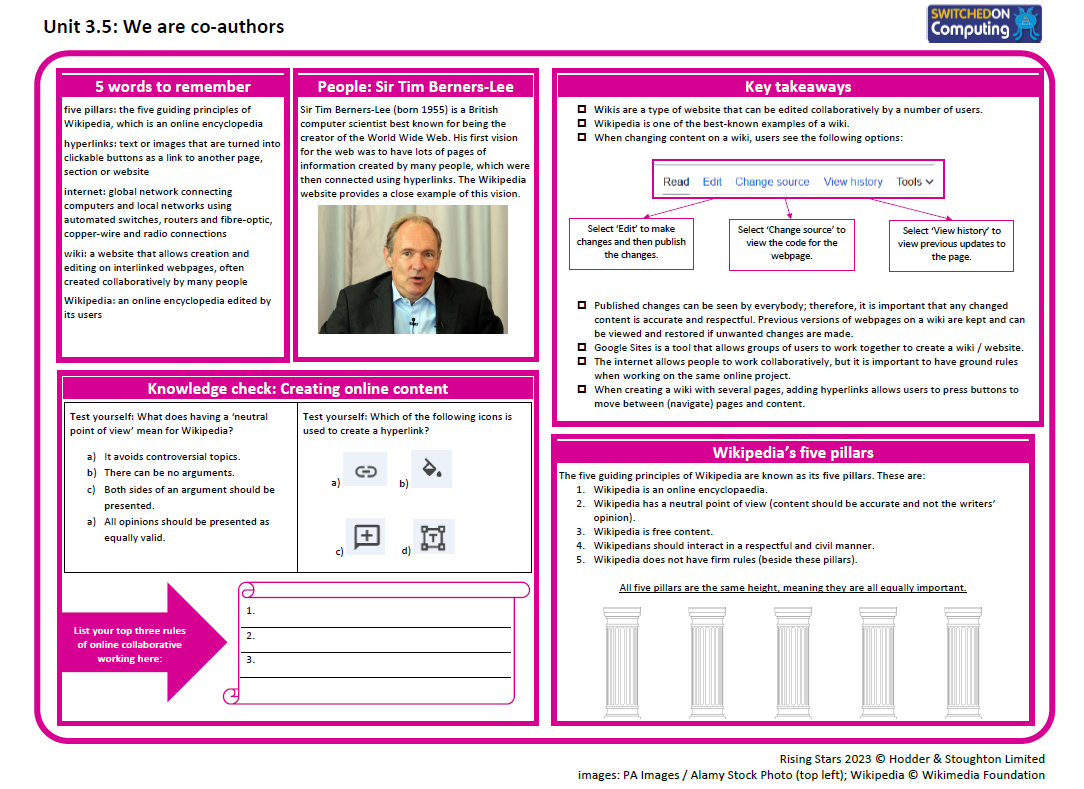
We start the new school year with the unit: 'We are co-authors', where pupils collaborate to produce a class wiki. They develop research skills using Wikipedia while learning about content reliability and the importance of a neutral point of view. Children explore their responsibilities when editing others’ work, honing proofreading and collaborative skills while following the conventions of online collaboration.
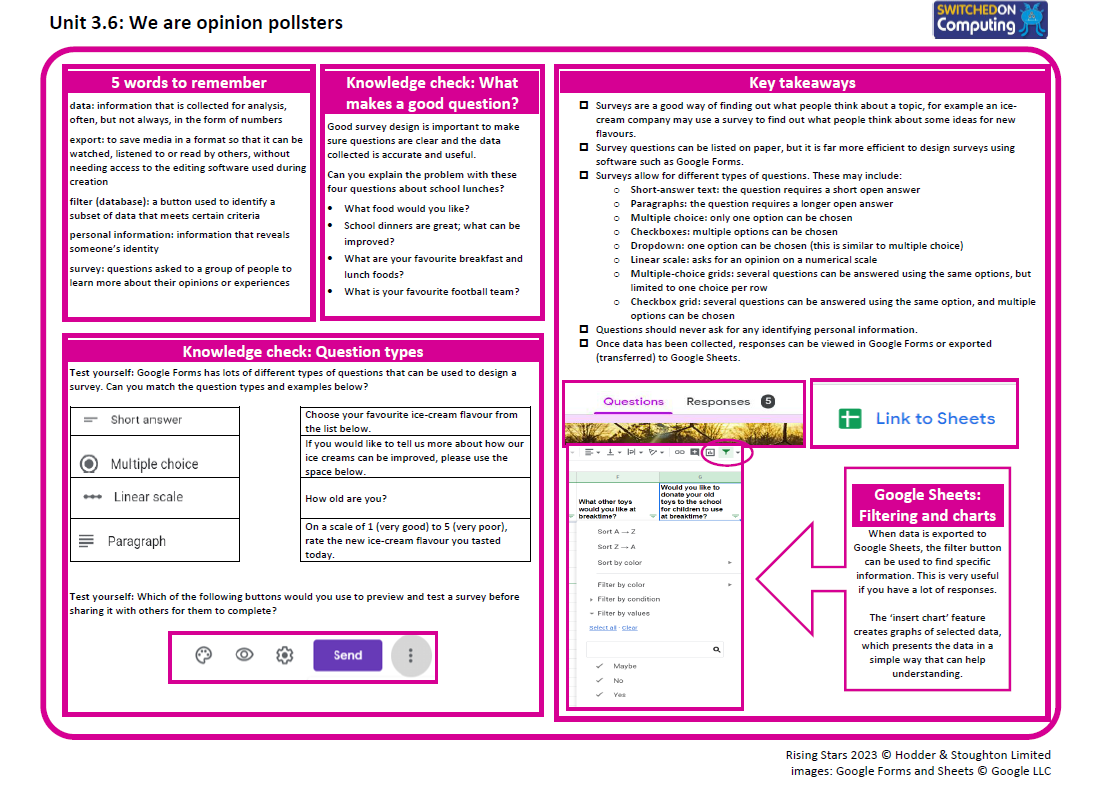
After half term we will explore the unit: ' We are opinion pollsters', where children learn to design and conduct their own online surveys. Pupils explore the ethics of data collection, including the importance of anonymity and data protection. They use digital tools to analyse results using charts and present their findings to an audience. This unit builds essential skills in interpreting data and understanding digital footprints.
Maths
In the Spring term, Year 3 and 4 children focus on expanding their understanding of calculations, measurement, and parts of a whole:
• Multiplication and Division B (Spring 1): Children learn to multiply and divide by 10 and 100, use factor pairs, and apply formal methods to multiply 3-digit numbers by a 1-digit number. They also begin solving division problems that involve flexible partitioning and remainders.
• Length and Perimeter (Spring 2): Pupils measure and convert between millimetres, centimetres, metres, and kilometres. They also learn to calculate the perimeter of rectangles, rectilinear shapes, and polygons.
• Fractions A & B (Spring 3 and 5): This core area covers unit and non-unit fractions, equivalent fractions, and the relationship between mixed numbers and improper fractions. Children also learn to add and subtract fractions and calculate fractions of an amount.
• Mass and Capacity (Spring 4): This block involves measuring, comparing, and calculating with mass (grams and kilograms) and capacity (millilitres and litres).
Music
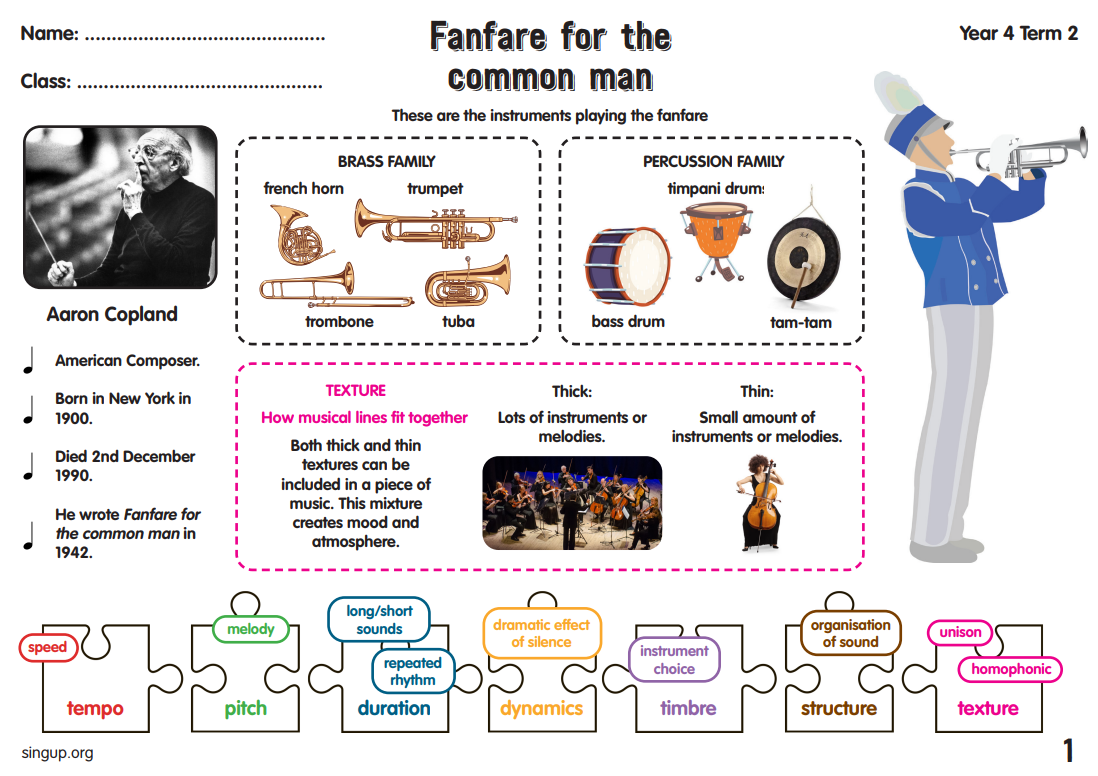
Class 3 start the term exploring a listening unit based around the piece Fanfare for the common man by Aaron Copland. It provides the foundation for investigating how unique music is in creating dramatic effect and atmosphere, and is an excellent starting point for exploring the use of pitch, melody, texture, and timbre.
Most children will be able to:
- Improvise and compose, exploring how timbre, dynamics and texture can be used for impact in a fanfare.
- Compose a fanfare using a small set of notes, and short, repeated rhythms.
- Listen and appraise, recognising and talking about the musical characteristics of a fanfare using music vocabulary.
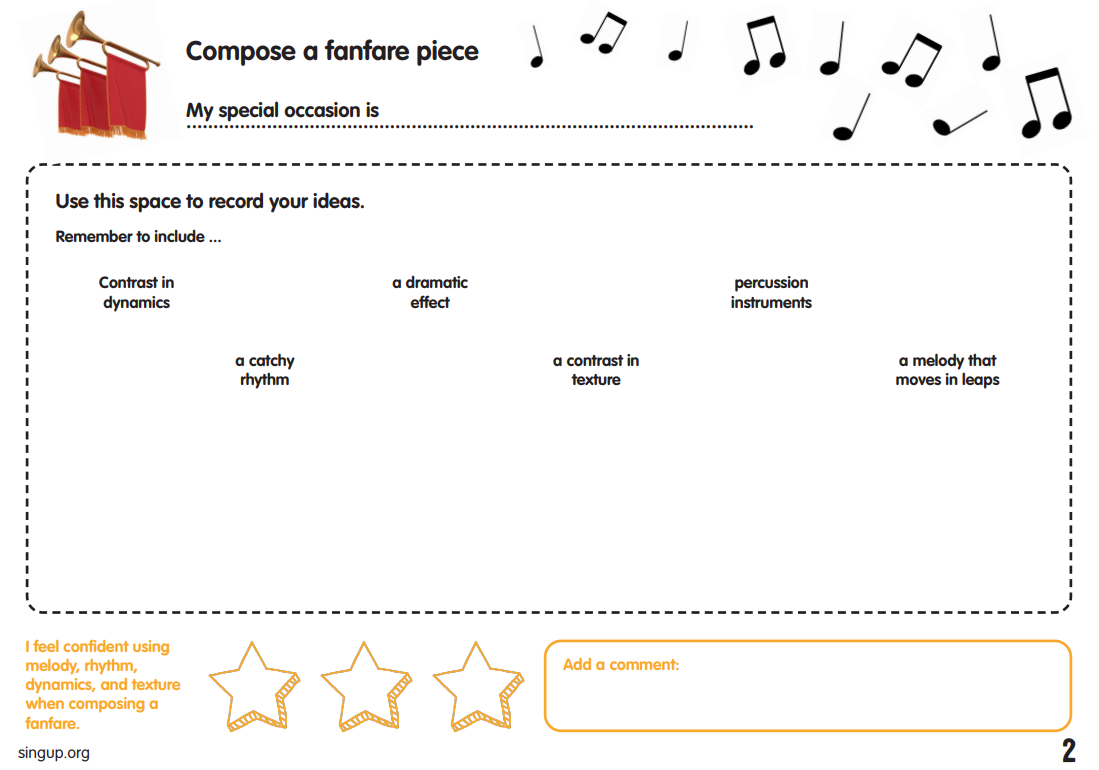
After half term the class will be learning the songs for their Mega Assembly!
Physical Education - PE
Before half term Game On coaches are teaching hockey to Year 4 whilst Year 3 have forest school. The whole class are also swimming.
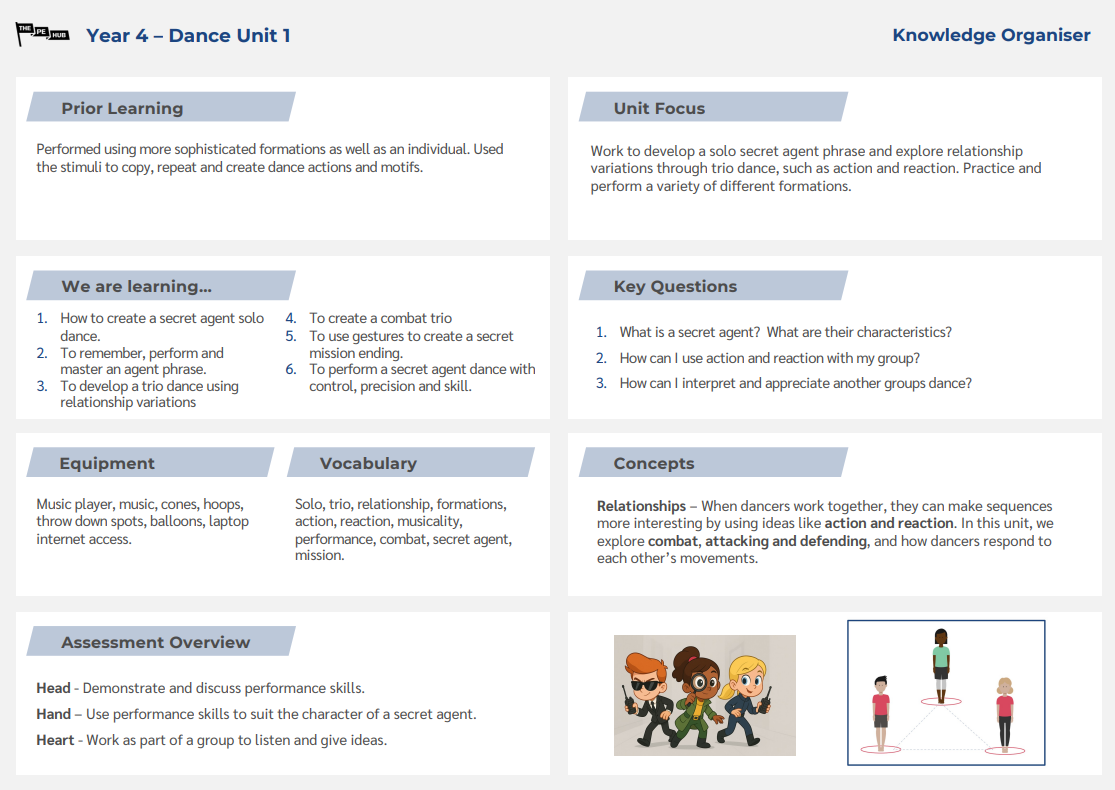
After half term Class 3 pupils are stepping into the shadows for our "Secret Agent" dance unit! This theme focuses on developing storytelling through sharp, controlled movements and precision.
Your child will learn to:
-
Solo & Trio Performance: Creating a unique agent solo before working in small groups (trios).
-
Action & Reaction: Exploring "combat" choreography where dancers respond to each other’s movements.
-
Complex Techniques: Mastering canon (movements performed one after another) and varied formations to create suspense.
The unit culminates in a final "mission" performance, emphasizing characterisation, focus, and teamwork.
They will also be having Tag Rugby coaching from the Saracens foundation.
Personal, Social and Health Education - PSHE
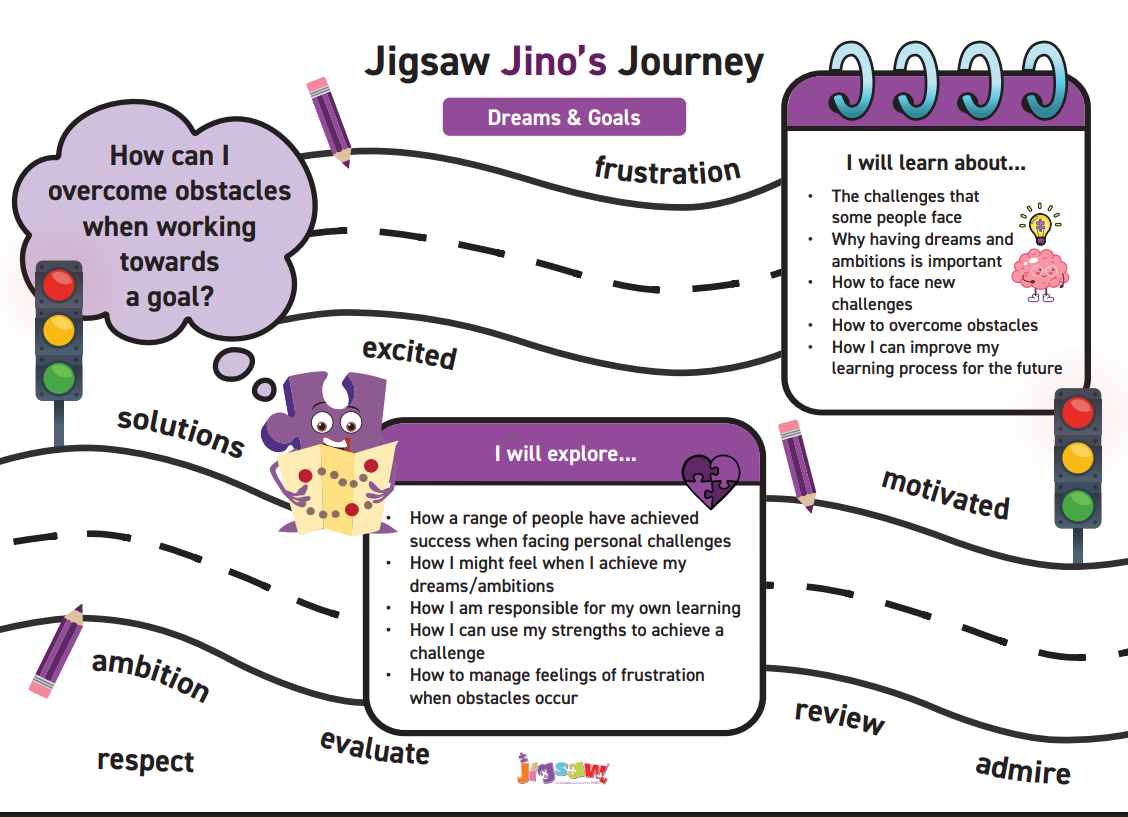
In the unit Dreams and Goals the children will learn about identifying their personal dreams and ambitions while exploring how their skills and interests build their self-esteem. They study stories of people who have overcome significant challenges and discuss how to manage feelings of frustration when they face their own learning obstacles. The children learn to break goals into small, manageable steps and identify how others can support them. Additionally, they explore how wellbeing—including physical activity, rest, and staying safe—helps them reach their goals. New vocabulary includes motivated, responsible, and evaluate.
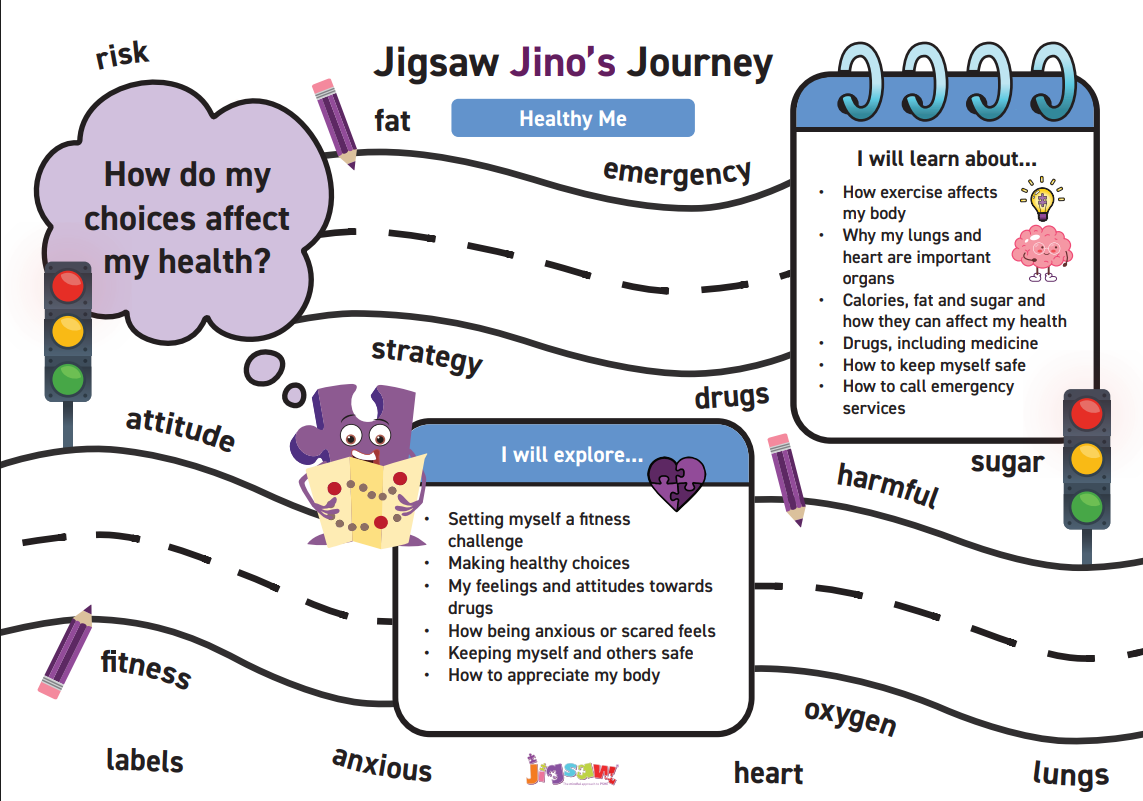
In the unit Healthy Me the children will learn about the physical effects of exercise on the body, with a specific focus on the importance of the heart and lungs. They study nutrition by investigating how sugar, fat, and calories affect health and learn to interpret food labels. The curriculum introduces the concept of drugs, covering both medicinal uses and substances that can be harmful. Children identify dangerous situations and develop strategies to keep themselves and others safe. They are also encouraged to set personal fitness goals and appreciate how their complex bodies function.
Religious Education - RE
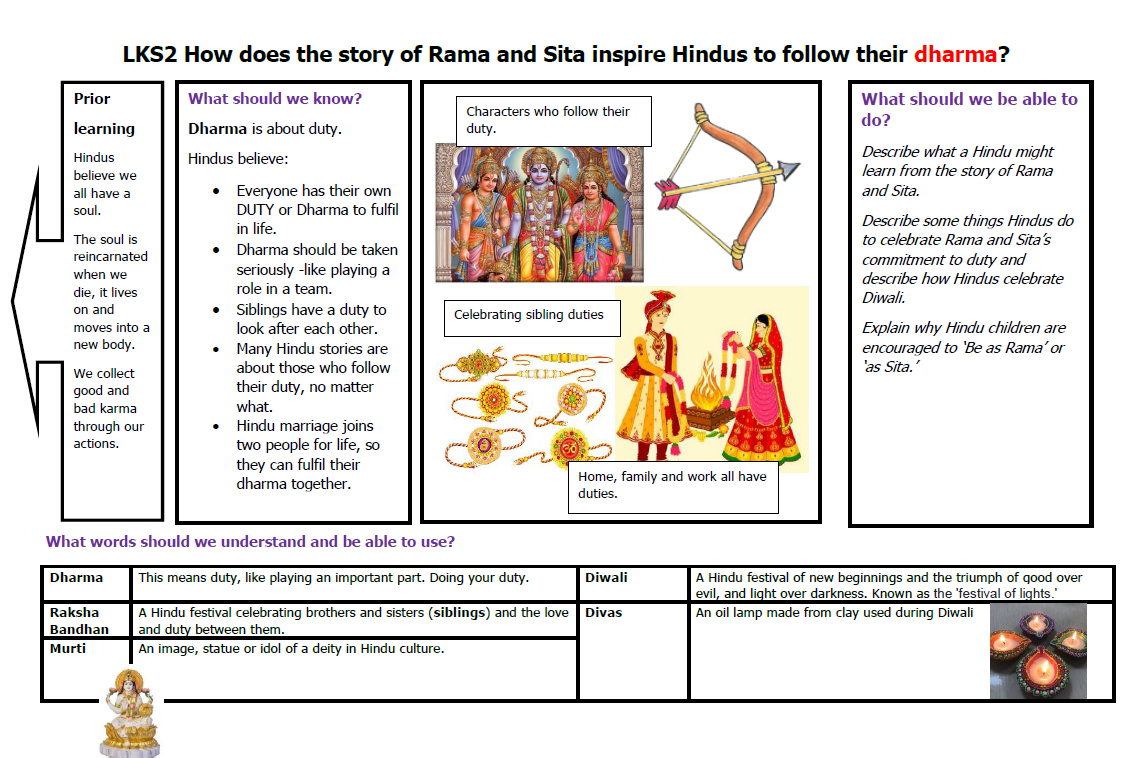
In the unit "How does the story of Rama and Sita inspire Hindus to follow their dharma?", the children will explore the core Hindu concept of dharma—the idea of following the right path and doing one’s duty. Through the epic story of the Ramayana, Class 3 will learn about the virtues of characters like Rama, Sita, and Hanuman, discovering how they serve as role models for Hindus today. The class will discuss values such as loyalty, courage, and service, and see how these are celebrated during the festival of Diwali. This unit encourages children to reflect on their own responsibilities and the "right" choices they make in their own lives.
After half term we return to Christianity. In the unit Salvation: Why do Christians call the day Jesus died ‘Good Friday’?, the children will learn about the events of Holy Week and their place within the Bible’s ‘big story’. They will explore the journey from Palm Sunday to the resurrection, investigating why Christians believe Jesus’ sacrifice was a necessary part of God’s plan for salvation. Pupils will study key symbols and traditions, such as the Last Supper and Easter worship, to understand how these stories influence Christian life today. Finally, they will reflect on the values of sacrifice and standing up for one’s beliefs in their own lives.
Science
In the first half of the term we will be exploring Rocks, fossils and soils and after half term we will be investigating plants.