Spring Term 2026
Literacy - Writing
Literacy Tree - learning through a text - is one of the approaches we take at Aldbury to teach our foundational writing skills. This term we will be learning about a range of literacy skills, all while exploring different stories and themes.
In the unit, based on the book Little Red, we will be exploring the themes of talents, powers, magic, and imagination. We will begin by making predictions about the story based on prior knowledge. We will be creating labels and writing notes of advice and adverts. We will also be using past, present and future tenses correctly when speaking about events, and we will learn to use phonics to write words. We will adapt the story to write our own versions.
In the unit, based on the book The Magic Paintbrush, we will be exploring the themes of talents, powers, magic and imagination. We will begin by discussing what we would paint with a magic paintbrush. We will be writing thought bubbles and thank you letters, and we will learn to use phonics to decode words. We will also be creating our own dragon-like monsters, and by the end of the unit, we will write our own 'overcoming' tales.
In the unit based on the book, I Will Not Ever Never Eat a Tomato, we will be exploring the theme of fussy eating and writing our own stories about fussy eaters. We will begin by discussing our likes and dislikes of food, and will develop our ability to write statements and shopping lists. We will also learn to listen attentively to stories and respond with relevant comments and questions. We will be writing in role as the character Lola, and also, by the end of the unit, we will be reading simple sentences.
In the unit, based on the book The Tiny Seed, we will be exploring the themes of nature and the planet. We will begin by planting seeds and learning about their needs. We will be writing instructions for seed planting and learning to write in role as the tiny seed. We will also explore how something small can overcome adversity and grow big and strong. By the end of the unit, we will write an advice leaflet for seeds.
Throughout all four units, we will be developing our skills in phonics, comprehension, and writing, using a variety of strategies including shared writing, modelled writing, and independent writing.
Computing
Accordion content
Maths
Accordion content
Music
Class 1 start the new year with a unit based on the theme of birdsong. Pupils will explore their voices by imitating the sounds of birds. They play a simple singing game based on the two-note ‘cuckoo call’, sharpen their listening skills with a game of bird spotting: listening out for the ‘cuckoo call’ in Johann Strauss II’s lively Cuckoo polka. Then they enjoy some expressive movement by flying free to Vaughan Williams’s The lark ascending.
Most children will be able to:
- Explore the range and capabilities of voices through vocal play.
- Develop a sense of beat by performing actions to music.
- Develop ‘active’ listening skills by recognising the ‘cuckoo call’ in a piece of music (so-mi).
- Enjoy moving freely and expressively to music.
After half term, Up and down is the song for Class 1. This is a gentle action song with a rising and falling melody ideal for exploring pitch. In this unit, pupils will sing songs in steps using accompanying actions, and will go on to compose new lyrics and play simple melodies on pitched instruments.
Physical Education - PE
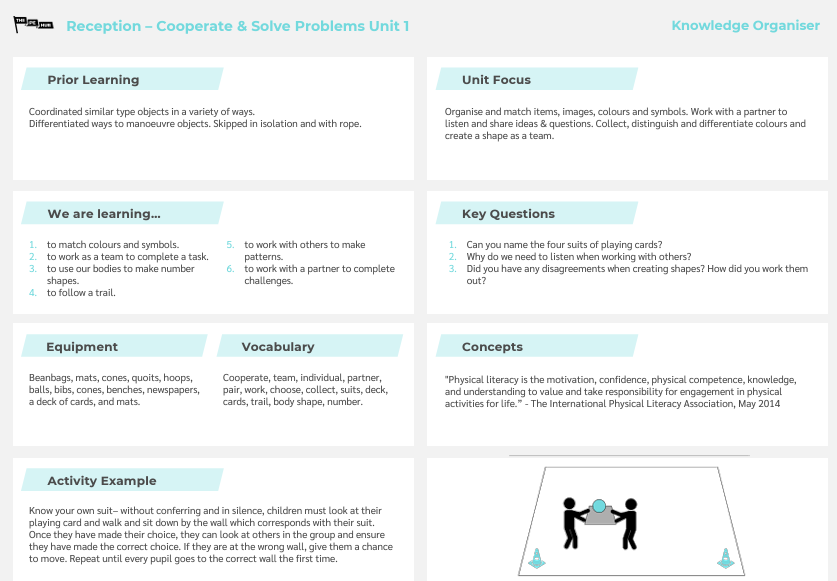
In our first PE unit, “Cooperate & Solve Problems,” Class 1 pupils are building "Physical Literacy"—the confidence and skill to enjoy movement for life. This term, your child will explore how to work with others through fun, interactive challenges.
Key activities include:
-
Teamwork: Sharing ideas and listening to partners during games like "Cross the River."
-
Problem Solving: Matching symbols (like playing card suits) and following trails.
-
Creative Movement: Using their bodies to form number shapes together.
These lessons develop coordination while teaching children how to resolve disagreements and succeed as a team. It’s all about moving, thinking, and growing together!
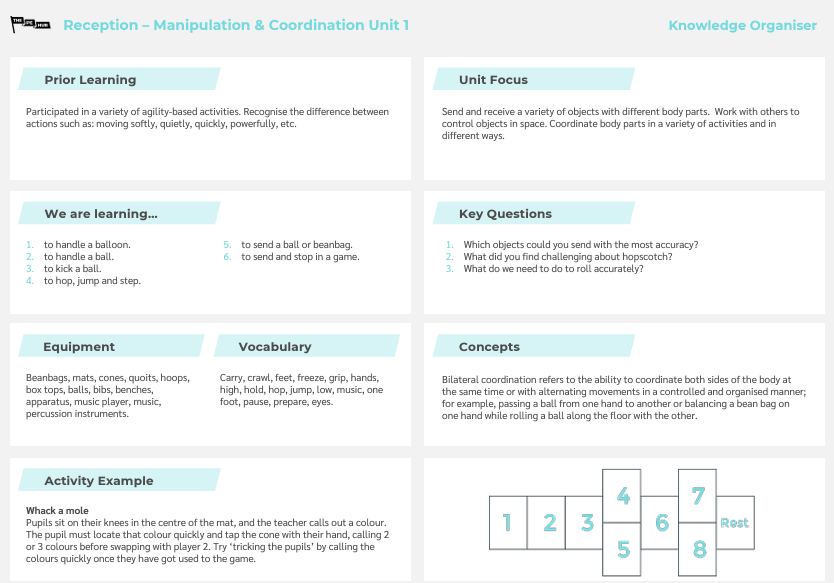
After half term, Class 1 pupils are developing Manipulation & Coordination. The unit focuses on "bilateral coordination"—the essential ability to use both sides of the body together in a controlled way, such as passing a ball from hand to hand.
Through fun, play-based lessons, your child will learn:
-
Object Control: Handling balloons, rolling balls with accuracy, and practicing controlled kicking.
-
Agility: Mastering movement sequences like hopping, jumping, and stepping (e.g., Hopscotch).
-
Sending & Receiving: Working with partners to throw, carry, and stop beanbags or balls.
These activities build the physical confidence and "eye-to-hand" skills needed for sports and everyday tasks.
Throughout the term Game On also teach PE - they will explore movement and equipment in the Spring Term.
Personal, Social and Health Education - PSHE
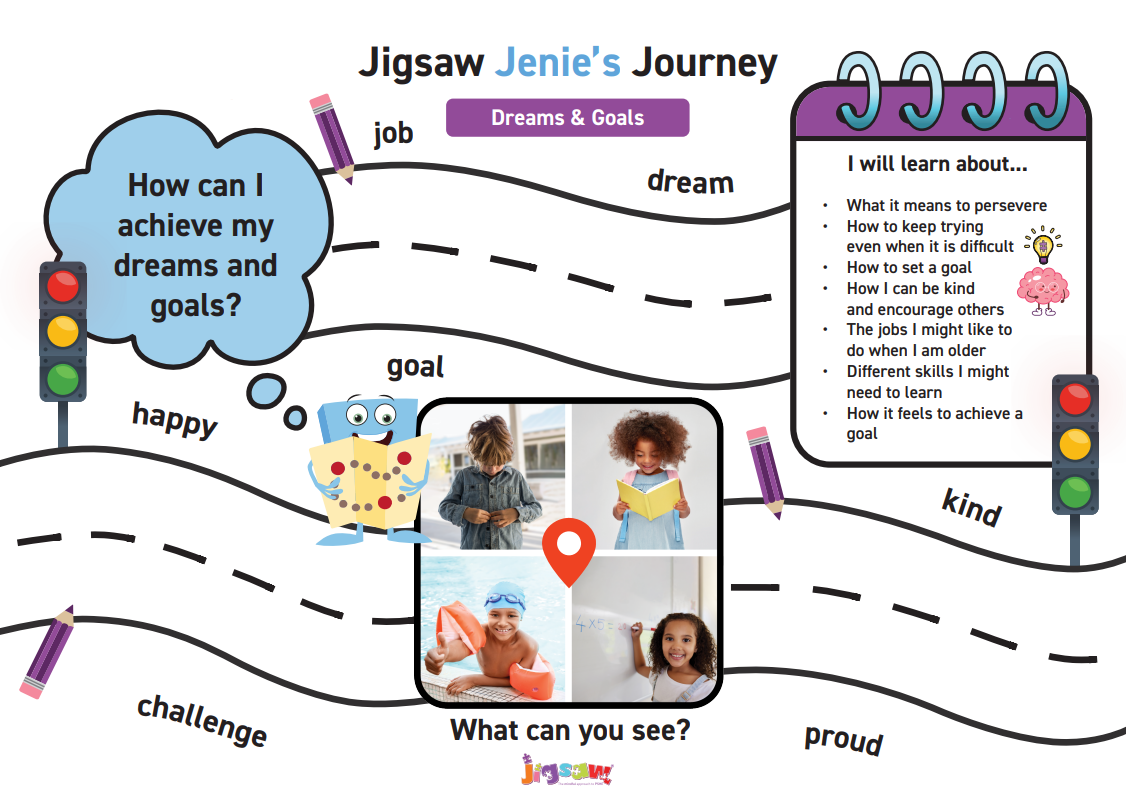
In the unit Dreams and Goals the children will learn about facing challenges and the importance of perseverance. They discuss not giving up and trying until they have achieved a goal. The children are encouraged to think about jobs they might like to have when they are older and begin to associate what they learn now with being able to achieve those future ambitions. They also explore the feelings linked to success, such as feeling proud, and learn how kind words can be used to encourage others. Key vocabulary introduced includes persevere, achievement, goal, and challenge.
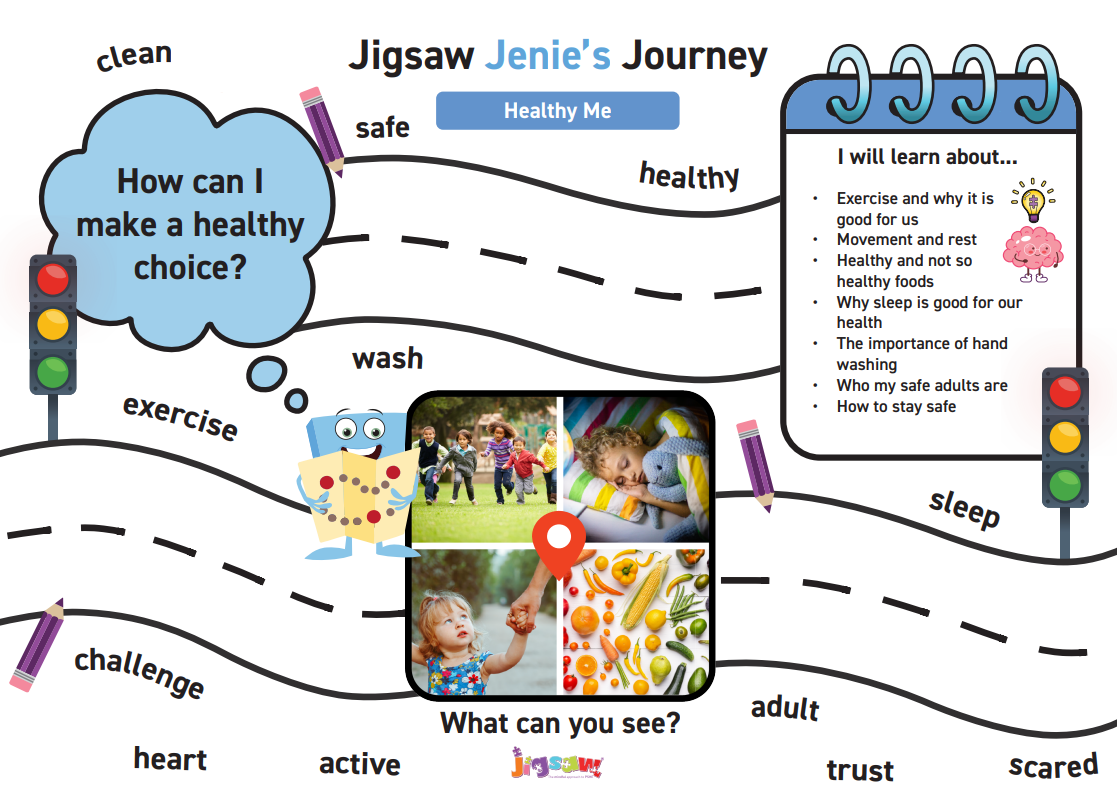
In the unit Healthy Me the children will learn about their bodies, naming key parts such as the head, shoulders, knees, and toes. They explore the concept of being "healthy," including the importance of exercise and how different foods can make them feel. The unit covers the significance of sleep and provides strategies to help children get to sleep at night. Hygiene is taught through proper hand-washing techniques, and personal safety is introduced by discussing "safe adults" and what steps to take if they are approached by a stranger or get lost.
Religious Education - RE
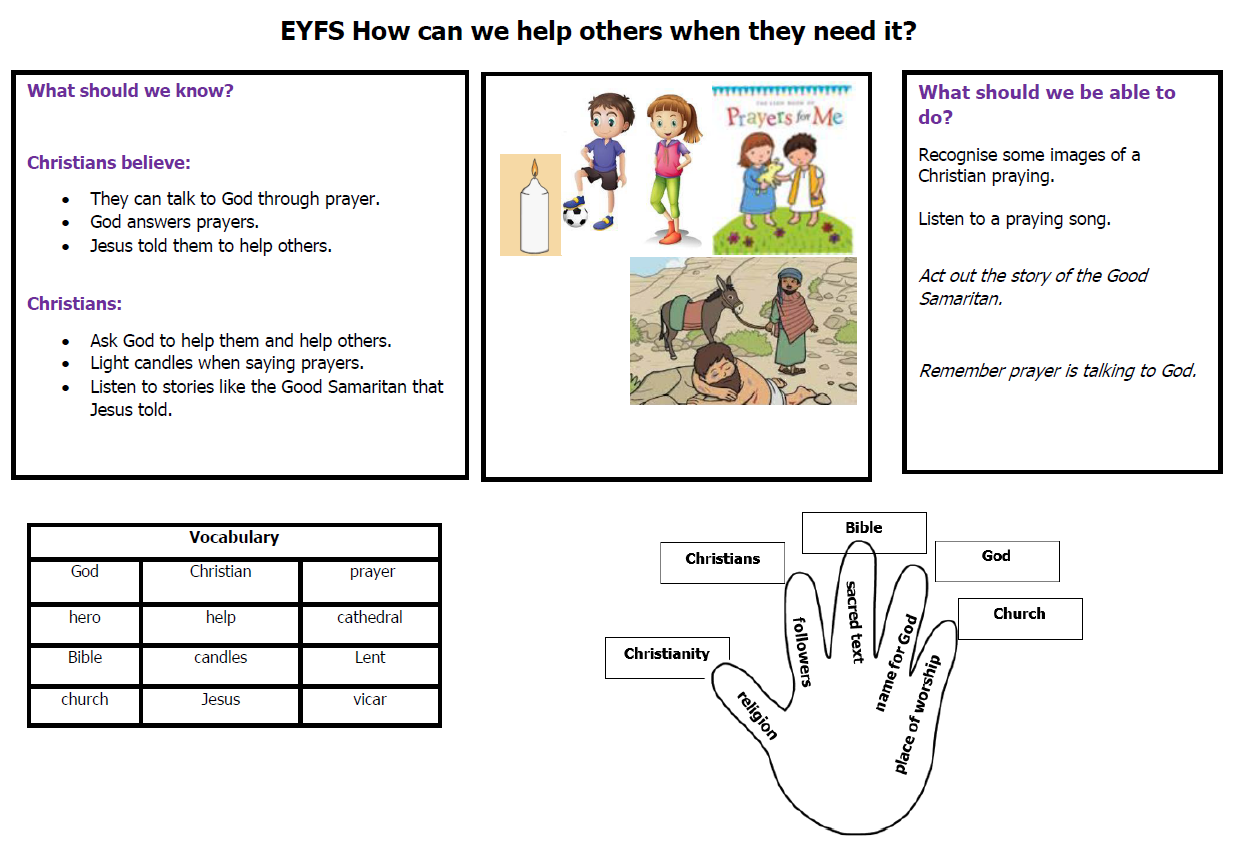
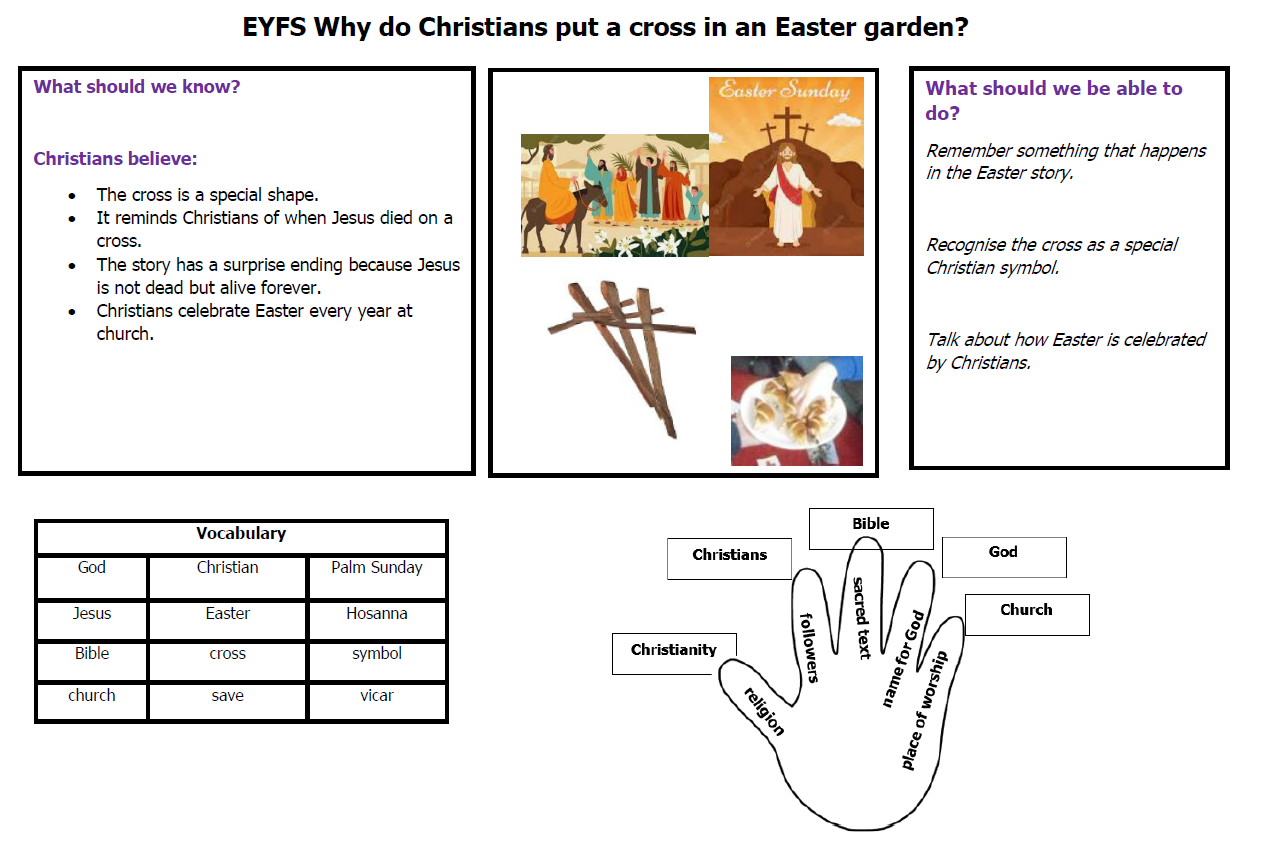
Over the Spring term children will explore the concept of helping others - salvation. Children learn about helping others through the story of the Good Samaritan, which teaches them to act as a 'neighbour' when someone is in need. They learn that Christians believe Jesus came to help and save people. They explore the concept of forgiveness and new starts through the Easter story and the symbolism of the cross. Children may make an Easter garden, which includes a cross, to remember the story. They also learn that Easter is a time of sorrow, reflection, joy and hope. Easter eggs and flowers represent new life, and the cross on hot cross buns is a 'Jesus cross' that reminds them of Jesus' death.
We will also spend time looking at the Sikh story "How did Guru Har Gobin rescue the 52 princes?". Before the Easter break we will also hope to answer the question "What do Buddhists learn from the Monkey King?".